SNR watches: The Chronology of Water
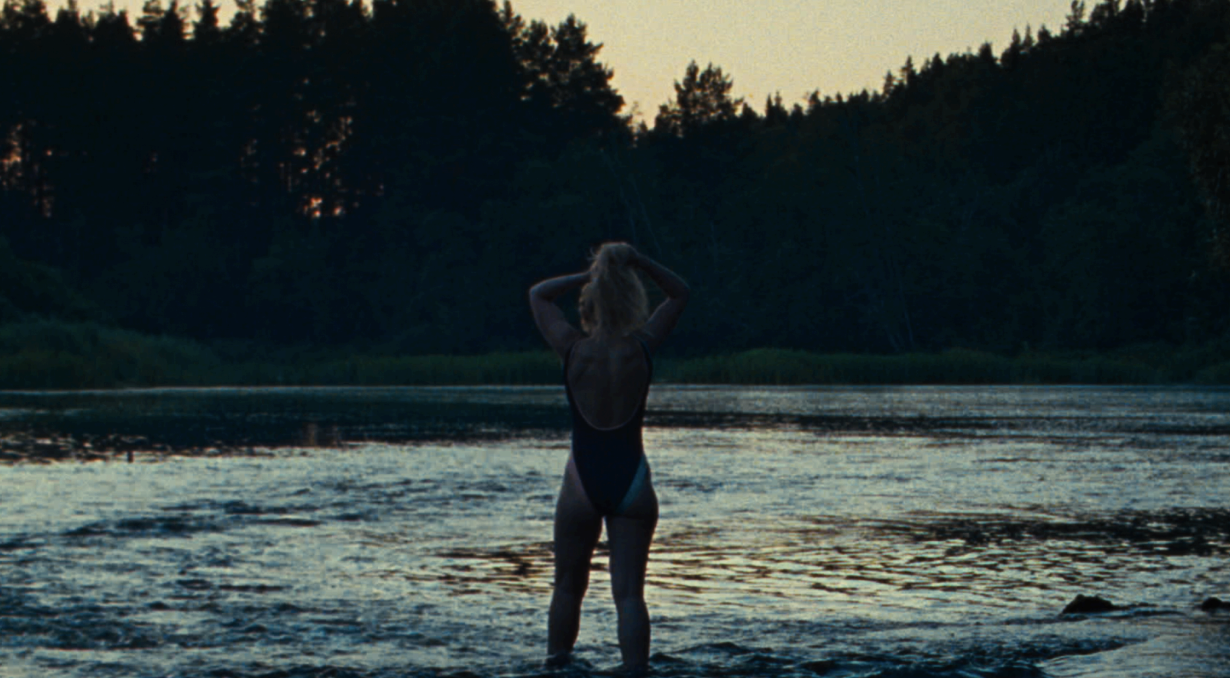
(Photo still from The Chronology of Water courtesy of Nevermind Pictures)
“The safest memories are locked in the brains of people who can’t remember. Their memories remain the closest replica of actual events. Underwater. Forever.”
My muscles tense. The sound coming from the TV is too loud. A muffled thumping of someone being beaten in the next room alternates from the speakers followed by quick shots of bright blood circling a shower drain. On the screen we observe a young Lidia and her sister in their childhood bathtub.
I find my body on edge—the sound, the imagery—my focus transfixed. I am physically uncomfortable. I debate whether I should make popcorn. A blank open notebook and pen sits next to me. Yes, it might be helpful to jot down some notes for my review. But less than a minute in I realize notes are impossible. This film demands its viewer to witness. Fuck the notebook. Fuck reviews.
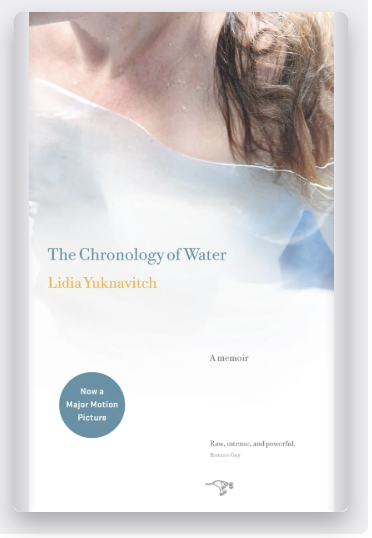
Okay, okay. I’m still going to write about the film, but the thought of “reviewing” this film is absurd. This work isn’t some biopic or sugar coated “survivor” narrative that Hollywood keeps trying and failing to feed us, this is something entirely different, so much so, that I am completely in awe this film was even made at all. The odds not in writer and director Kristen Stewart’s favor—adapting a memoir? A challenging hard sell, but taking on Lidia Yuknavitch’s 2011 breakout memoir The Chronology of Water? That’s fucking ambitious.
The film is Kristen Stewart’s feature directorial debut, shot on 16 mm film, and loosely follows the five acts of the memoir, chronicling Yuknavitch’s (played by Imogen Poots) escape from an abusive home through competitive swimming and the tumultuous aftermath navigating love, loss, addiction, sexuality, and identity.
As a former competitive high school swimmer myself, I dove straight into Yuknavitch’s memoir in 2012, right around the same time I was going through my own reckoning with an abusive parent. I was blown away by how Yuknavitch captured the fragmented nature of memory, sound, and sensations in a way I was so desperate to find. When it comes to the memory of abuse, I can only remember them as bodily sensations, flashes of body parts, faces, smells, shaky stretches of time. And when I read the memoir for the first time, I found a comrade who understood the language of memory, its limitations, its possibilities.
This is precisely what Stewart connected with as she explains in the film’s director statement:
“What drew me in was its fragmentation: Yuknavitch doesn’t give you a tidy narrative, but instead hands you the pieces of a life in shards, demanding you assemble them yourself. That act of reconstruction—of watching a story break and then choosing to stitch it back together—became the beating heart of why I knew this had to be my first film.””
Not surprisingly, in this day of formulaic streaming behemoths and commercial publishing franchises, experiential narratives are nearly impossible to get published, produced, and distributed into the mainstream, essentially, this “memoir-turned-movie” could have gone many different ways, but in the hands of Stewart, has transcended any limiting expectations. Stewart offers us a carefully crafted, optic overlay that doesn’t attempt to replicate the artistry of the memoir, but is in solidarity with it. Bodily sensations I felt when reading the memoir, I felt again experiencing the story visually. There were times during the viewing where I held my breath, laughed, cried…it has been a very long time since a film has had that effect on me.
In the days after watching, much like when I finished the memoir, I contemplate memory. How humans keep wanting to make memories a concrete, reliable thing, and in doing so erase the complexities of lived experience and devalue our spirits. These days in America, memory has become the enemy of culture and politics. Censorship and erasure of entire categories of people are under threat. It isn’t lost on me that while writing this, the DOJ has begun releasing the heavily redacted Epstein files—and what a juxtaposition—to see just a fraction of women’s words imprisoned underneath black bars. I cannot stop thinking about how our narratives, both in art and life, are constantly dissected and undermined at every turn. It’s disorienting.
This is what great literature, film, and art does—disorients the self, rearranges your perceptions, like water carving through a rock canyon, it changes form and reminds you that the fight for your humanity is not over. It’s an incredible relief to sit with this film and to have found another comrade in Kristen Stewart who, using Lidia Yuknavitch’s signature phrase, is not afraid to “make art in the face of fuck.”
But be warned, this film lingers. I mean that in the best possible way. Imogen Poots’ performance alone is haunting and brilliant, capturing the mannerisms and voice of Yuknavitch in an eerie symbiosis. Poots' is supported by the incredible talent of Thora Birch who plays Lidia’s sister Claudia, Earl Cave as Phillip, and Jim Belushi as anti-establishment novelist Ken Kesey. This is a film that grabs hold of your senses and doesn’t let go. Stewart has made a radical declaration from Yuknavitch’s story–a cinematic battlecry on what it means to be a daughter, a woman, a mother, an artist, an outcast.
Keep an eye out for the film’s widespread theatrical release on January 9 and support your local independent theater.
“Stewart offers us a carefully crafted, optic overlay that doesn’t attempt to replicate the artistry of the memoir, but is in solidarity with it. Bodily sensations I felt when reading the memoir, I felt again experiencing the story visually. There were times during the viewing where I held my breath, laughed, cried…it has been a very long time since a film has had that effect on me.”